Selling Off a Past Life
There is a room in my parents’ apartment in East Harlem that holds a version of me I no longer am. Ten or so boxes from my pre-monastic life. A top bunk buried in clothes. Three Ikea bags of things I carried out of the monastery. For a long time it was just storage. Now I’m going through all of it, one item at a time, deciding what to keep, sell, donate, or let go.
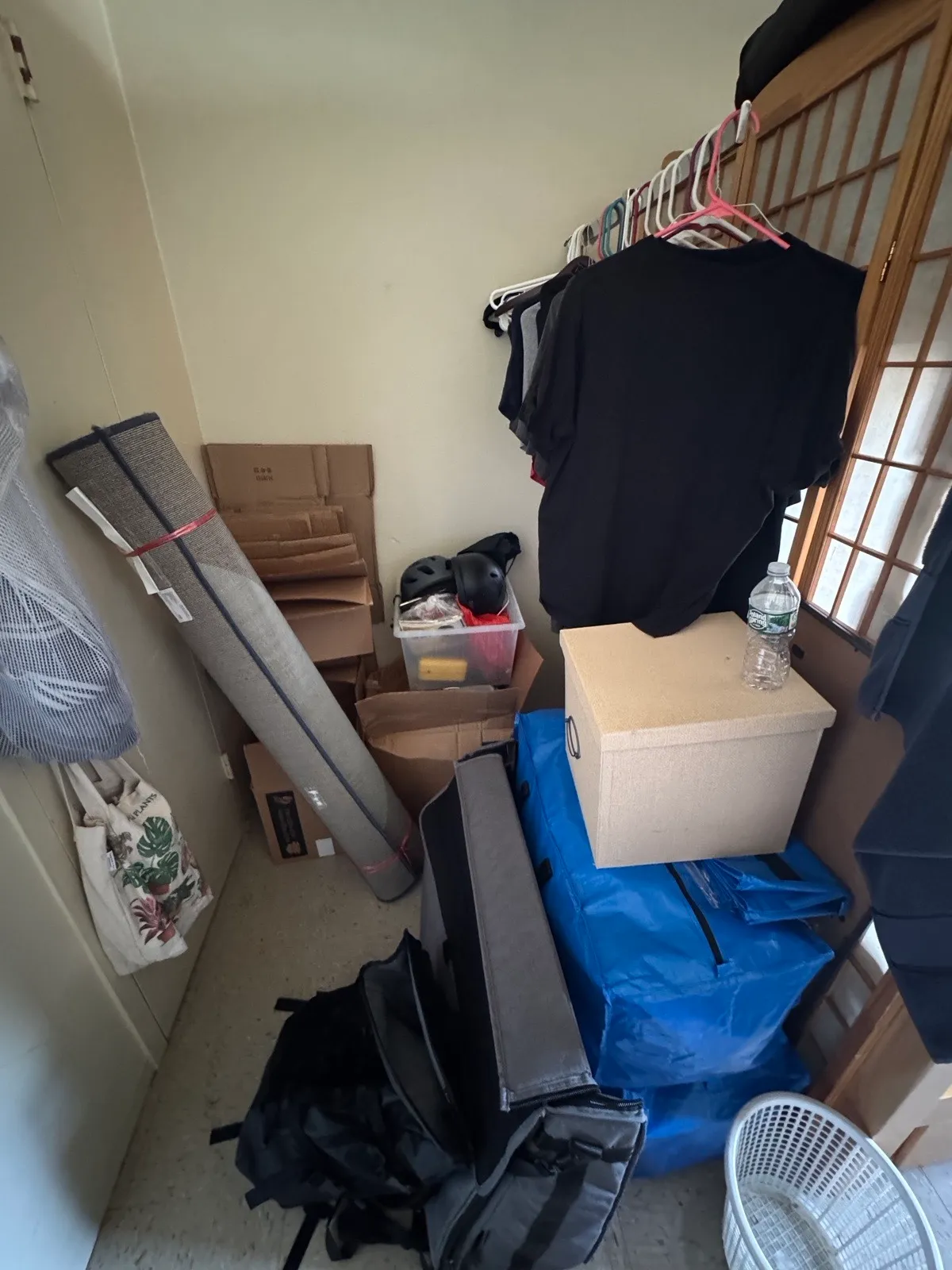
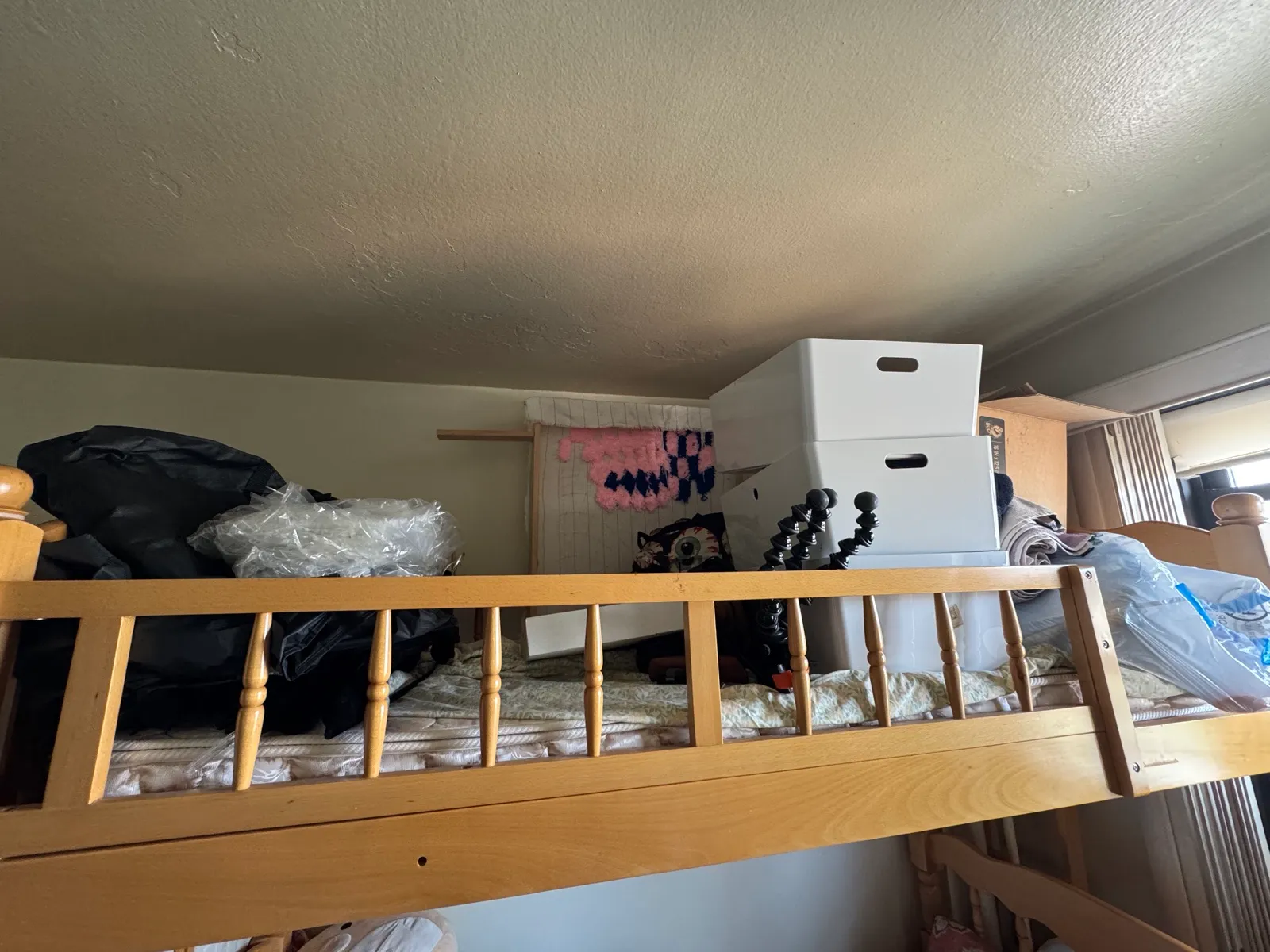
The rule I’m using is simple: when in doubt, let it go.
That rule is easy to write and hard to follow, because I don’t experience objects as objects. My inner world has always been visual — I did graffiti and film photography in my teens and twenties, then graphic and product design when I started my first business. Things hold images. I pick something up and it transports me.
Some of the sharpest of those are vintage Supreme pieces. They pull me straight back to a trip a few friends and I planned in our twenties: buy streetwear in the US, fly to Tokyo, resell it there. We made enough to cover the whole trip and still come home with a profit. Good memories — and memories of a completely different life, one that stands out even more starkly now that I’ve spent time as a monk practicing non-attachment, simplicity, and a gentler relationship with the things I own.
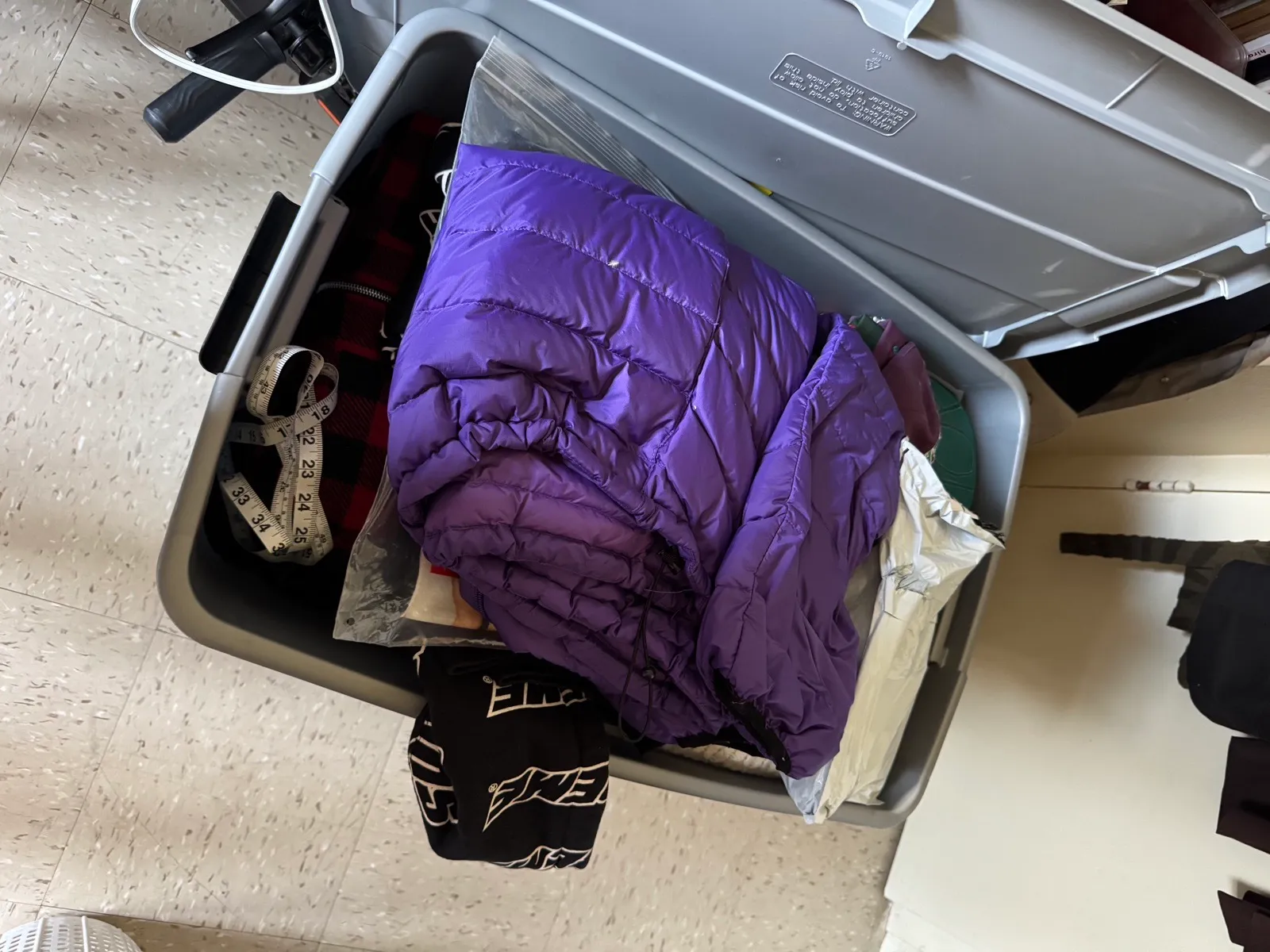
Other items are heavier. There were mementos from a long relationship that ended badly. After the breakup I came back to this room wrecked with depression, no energy to sort anything, no sense of control over the space even though my parents are the most loving and patient people I know. I couldn’t look at those things, let alone throw them out. It took the interlude of monastic life — time to digest, learn, and heal — before I could finally part with them. I found a whole box of Instax photos documenting years of my twenties. I kept most of them. A few I still have reservations about, certain faces I’m not sure how to hold. Maybe that’s just a continued practice: send them loving-kindness, wish them well, even the ones who are no longer in my life.
Turning it into a system
Sorting is the inner work. Selling is a logistics problem, and logistics I can systematize.
I set up an assembly line in Notion — an Item Sales Tracker with a board that moves each piece through fixed stages: Shoot → Intake → Comps & Pricing → Description → Ready to List → Listed → Sold. Each item carries an owner field marking who acts next — me for the physical, hands-on stages, Claude for the research-and-writing middle.
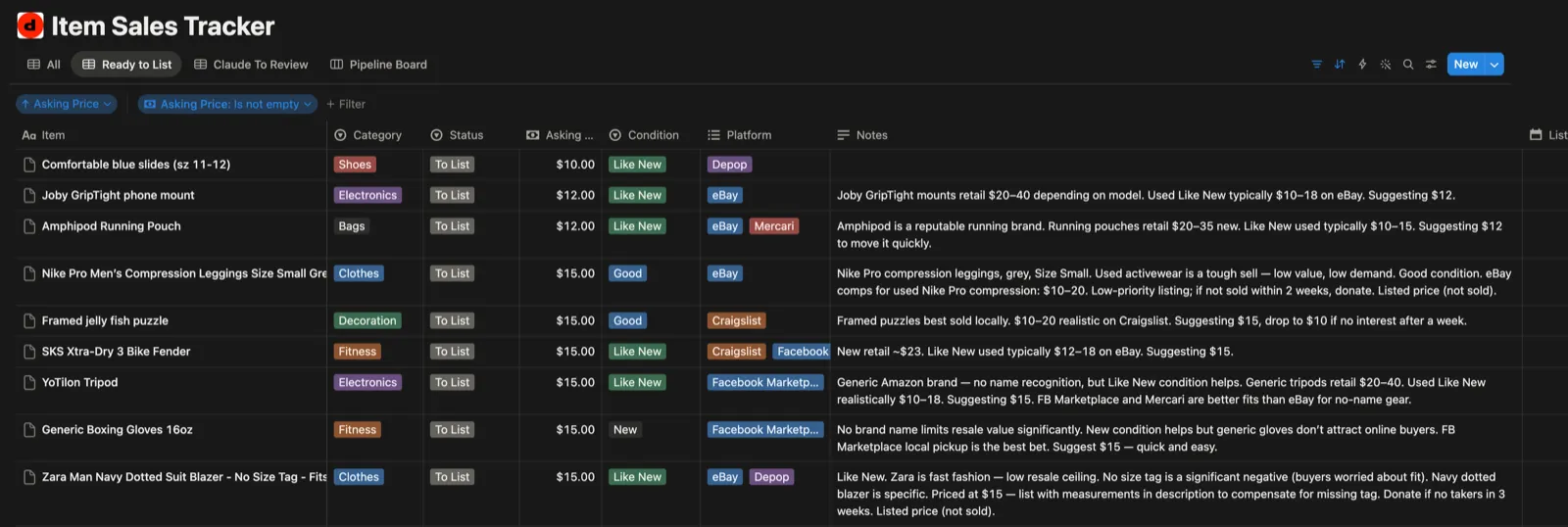
The stages that need hands and judgment in the physical world — shooting the photos, doing the final list — are mine. The rest I hand to Claude: intake the photos, research sold comps across Grailed and eBay, set a price, and write the platform descriptions. I’m the bottleneck, which is exactly right; the machine waits on me, not the other way around.
It’s a small taste of the agentic-AI work I want to keep doing — a human staying in the loop on the parts that matter, automation absorbing the repetitive middle.
Building a tool to solve my own problem
One snag kept showing up: my product photos looked cluttered. Cramped room, messy backgrounds, nothing that makes a buyer want to click. The cloud background removers all came with monthly caps, surprise price hikes, and uploads of my photos to someone else’s server.
So I built my own — bgremover, a local tool that turns raw product shots into clean, listing-ready images entirely on my machine. It runs segmentation models locally, with no API keys, no per-image cost, and marketplace presets (eBay, Depop, Grailed, Mercari) that trim, center, and pad each photo to the exact size each platform expects. There’s a drag-and-drop studio app and a CLI for batches.
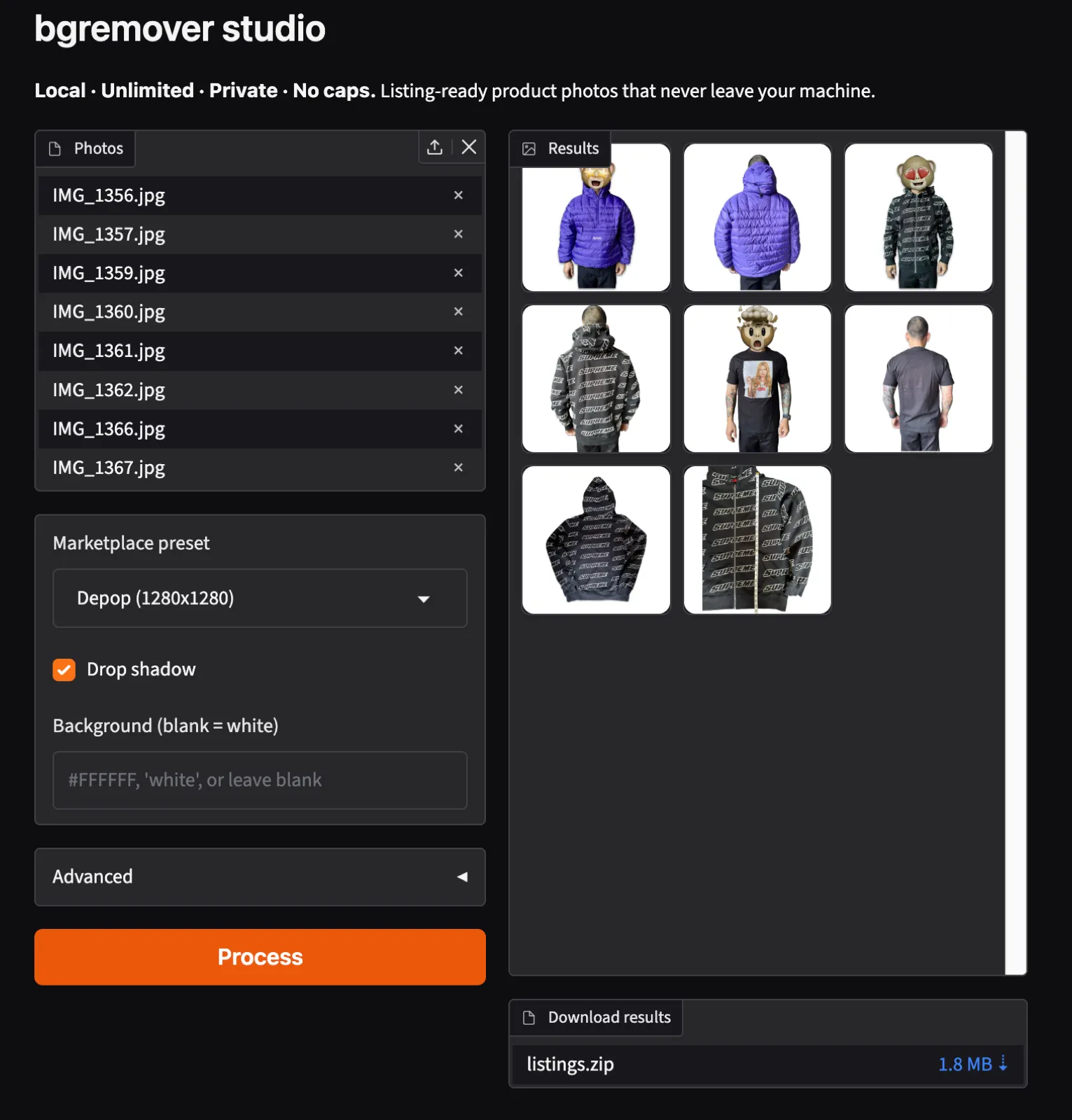
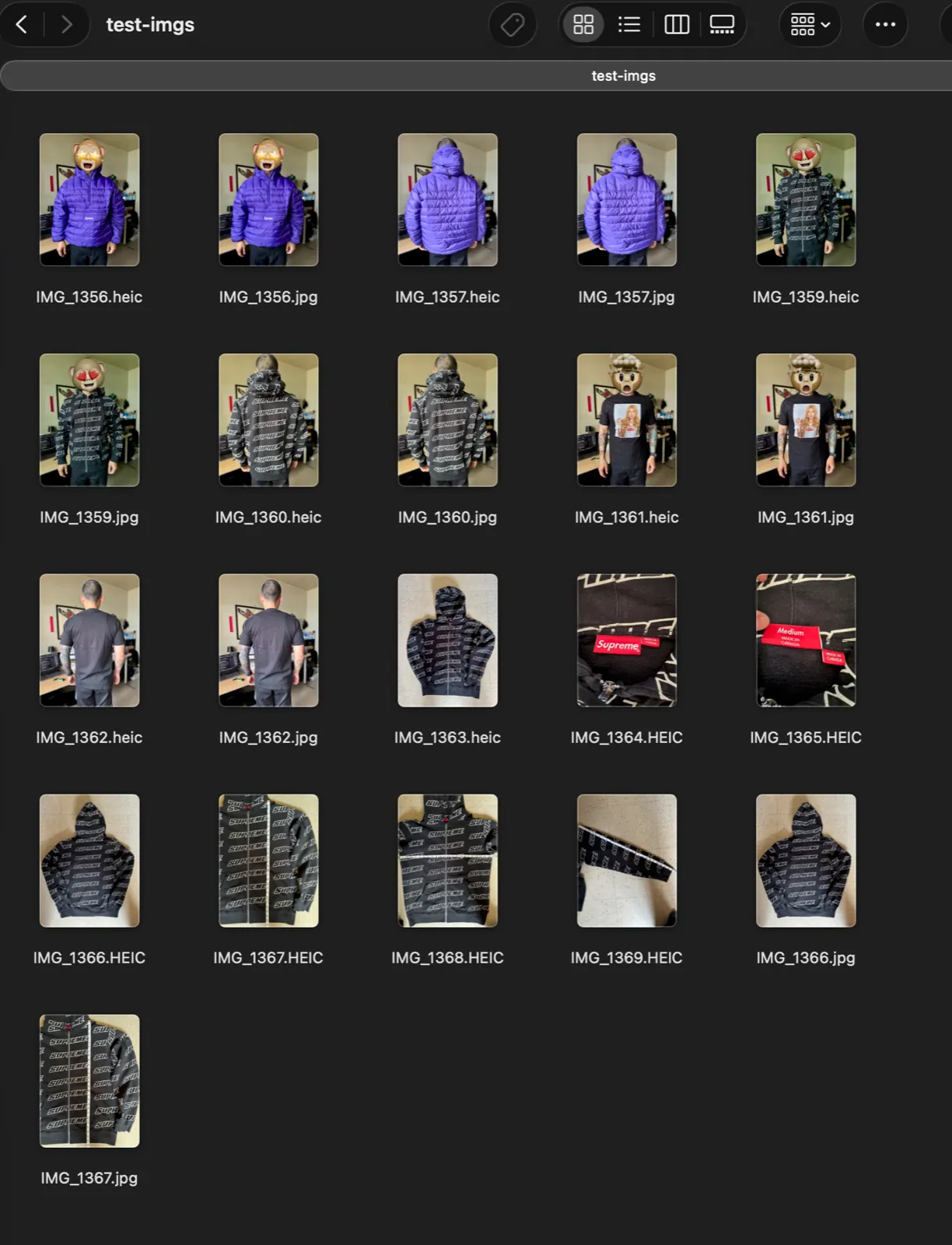

Building a product to solve my own problem is the most familiar feeling in this whole project — it’s how my best work has always started. I’m considering polishing it into something I can sell modestly to help cover my education costs as I move toward CNA training and nursing.
The point isn’t the money
What I’m actually clearing space for is a picture I’ve carried since the monastery: take out the bunk bed, roll out a Japanese futon and a tatami mat, set a low table on the floor so I can sit on a cushion and work close to the ground.
Coming back to this room after monastic life, I notice I can be present with it as it is — boxes, bunk bed, and all — without needing it to already be finished. Mindfulness gave me that. And from that steadier place, I can actually do the work of simplifying. The sales are nice; they’ll fund the room redesign and a little of the road ahead. But the real return is the open floor, and the clear mind I’m hoping it makes room for.